
Can You Get Guardianship Without Going to Court?

What Guardianship Means Under Massachusetts Law
Guardianship hands one person the legal power to make choices for someone who cannot make them alone. This might be a child without a parent to care for them, or an adult who has lost the ability to manage daily life because of sickness or injury. Either way, it’s a very big legal step — which is why the team at Rudolf, Smith, Griffis + Ruggieri Guardianship Attorneys takes such care in walking clients through it. Guardianship takes away rights from one person and gives them to another.
Here in Massachusetts, guardianship cases go through the Probate and Family Court system. The main law covering these cases is the Massachusetts Uniform Probate Code, you’ll find it in Chapter 190B of the General Laws. This code lays out who can start the process, what kind of proof you’ll need, and how a judge decides. It’s the framework for everything we do.
Get in touch for your free case consultation online or by calling (508) 425-6330.
Guardianship of a Minor vs. Guardianship of an Incapacitated Person
These two legal paths are quite different, though we see people mix them up all the time. Guardianship of a minor means you’re asking the court to let you care for a child whose parents can’t or won’t do so. Perhaps a parent has passed away. Maybe both parents are struggling with substance abuse issues, leaving a child adrift. The court needs to see that the child’s welfare truly needs someone else to step in, often for their safety and stability in a difficult situation.
Guardianship of an incapacitated adult is a different story entirely. You’re asking the court to say that a grown person can no longer handle their own affairs. This might be an aging parent right here in Worcester with advanced dementia, or a sibling who suffered a traumatic brain injury while working near Polar Park. The court takes this seriously because it removes an adult’s independence, a fundamental right.
But here’s what both types share:
- A petition must be filed with the Probate and Family Court.
- Everyone involved gets formal notice of what’s happening.
- A judge reviews the facts before signing any guardianship order.
- The guardian takes on real legal duties once appointed.
And those duties are far from small. A guardian might decide where the person lives, what medical care they get, and how their day-to-day needs are met. That’s a huge amount of power over another person’s life.
Why the Court Is Almost Always Involved
Families often ask us if they can skip the courthouse altogether. The blunt truth is that Massachusetts law requires court involvement in nearly every single guardianship case. The reason is simple and important: guardianship removes someone’s legal rights. A judge must confirm that this drastic, life-altering step is absolutely necessary for the person’s interests.
But here’s a key distinction, one that often brings families in Worcester County a lot of relief. “Going to court” doesn’t always mean a drawn-out, nasty trial. Many guardianship cases move through the Worcester Probate and Family Court without a formal hearing battle. If everyone agrees to the petition, the process can be pretty straightforward. You’ll still file paperwork. You will still appear before a judge. But it doesn’t have to be the exhausting fight most people imagine.
Some families try to manage caregiving through informal arrangements or powers of attorney instead. Those tools do work well in certain situations. But they don’t cover every scenario. A power of attorney, for example, needs the person to be mentally sound when they sign it. If your loved one has already lost that capacity, say, due to rapidly progressing Alzheimer’s, then a power of attorney simply won’t help you, period.
We’ve worked with many families across Worcester who waited too long to look into their options. By the time they reached out, their informal agreements had fallen apart, and the person needing care was already in a crisis. Starting the conversation early opens up more choices and dials down the stress. If you’re not sure if guardianship is the right path for your family, a family law discussion with our experienced team can help you understand what steps make sense before things get urgent. We offer a free consultation, by the way.
Contact Us
With over 70 years of combined experience, Rudolf, Smith, Griffis & Ruggieri, LLP can give clients the leadership they need on difficult matters of criminal defense, family law, and more.
Court Filing Versus a Court Hearing: The Difference That Matters
This is the part most people get confused about. They hear “going to court” and picture a courtroom drama: a judge on the bench, a witness stand, maybe even a jury. But guardianship has two very different stages, and mixing them up causes real stress for folks.
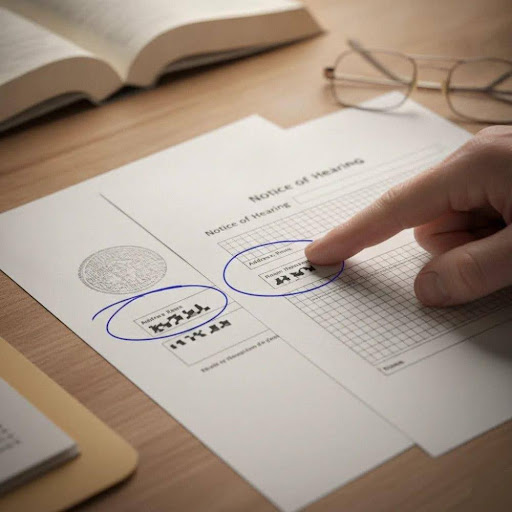
Filing is paperwork. A hearing is an appearance before a judge.
Every guardianship in Massachusetts demands a court filing. You can’t just skip this step. The Massachusetts Uniform Probate Code requires a formal petition submitted to the Probate and Family Court. In Worcester, this means filing at the Worcester County Probate and Family Court right on Main Street. No matter what kind of guardianship you’re after, paperwork has to go through that courthouse.
And here’s what surprises people: filing doesn’t always mean you’ll stand up before a judge and argue your case. Many guardianship petitions move through the court system without a real contested hearing. We see this often with families in Worcester who all agree on who should serve as guardian. When no one objects to the petition, the process looks very different from what you’d typically expect from a court case.
What Happens During a Filing
The filing stage is all about submitting specific documents to the court. You’ll need the petition form itself, a medical certificate for the person who needs a guardian, and proper notice sent to all interested parties. Massachusetts law says that certain family members must get formal notification. That’s true even if everyone already agrees to the plan.
Think of filing as telling the court what you want. You are putting your request down on the public record. The court then reviews your paperwork, makes sure proper notice was given, and decides if a formal hearing is even needed. And that’s it.
Get started on your case today; call Rudolf, Smith, Griffis & Ruggieri, LLP at (508) 425-6330 or contact us online to request your complimentary initial consultation.
What Happens During a Hearing
A hearing is entirely different. You appear before a judge. You might need to show evidence or offer testimony. Other parties can raise objections or concerns. The judge asks questions and makes a ruling based on everything they hear.
Not every guardianship case reaches this stage, thankfully. Here’s what usually triggers a contested hearing:
- A family member objects to the person you’ve suggested as guardian.
- The person who needs a guardian says no to the petition.
- The court has some questions about the medical evidence.
- Multiple people are asking for guardianship of the same individual.
When none of these issues come up, the judge might approve guardianship based on just the filed paperwork. Or the court could schedule a brief, uncontested hearing that might only take a few minutes. We’ve seen families walk in bracing for a long court battle and walk out in under fifteen minutes because everything was prepared correctly from the start.
So, what’s the real answer to whether you’ll need a full courtroom fight? You’ll always go through the court system. Your paperwork will always pass through a judge’s hands. But the actual experience of standing in a courtroom, answering questions, and defending your petition against objections, that part isn’t always a given.
The difference matters because good preparation changes everything. A well-prepared filing with correct notice and solid medical documentation can often prevent a contested hearing completely. A sloppy filing, though? That almost guarantees one, pushing things back and causing more worry.
If you’re considering guardianship for a loved one in Worcester, understanding this distinction early on saves you a lot of time and worry. Our experienced team helps families with both the filing process and any hearings that might follow. You can learn more about how we handle these cases on our family law page, or call for a free consultation.
What Turns a Guardianship Case Contested or Uncontested
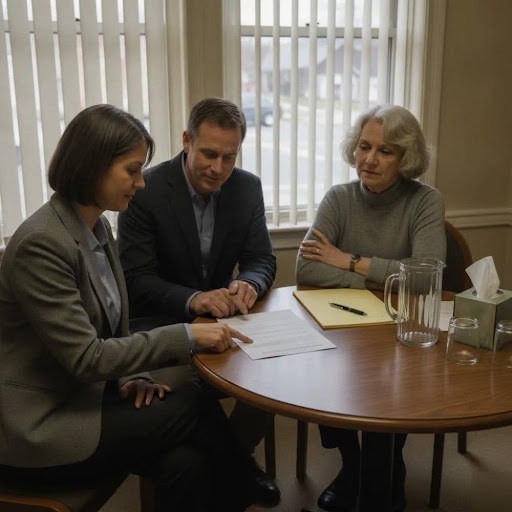
The biggest thing that shapes your guardianship experience is whether anyone objects. That’s all there is to it. One objection from a family member, the person who needs a guardian, or even a state agency, can truly change everything about how your case moves through the Worcester Probate and Family Court.
An uncontested guardianship means everyone involved agrees. They agree on who should serve as guardian. They agree the person needs one. And they agree on how much authority the guardian should have. When that happens, the court process usually moves faster and causes far less stress for everyone.
What Makes a Case Uncontested
Most uncontested cases share a few common traits:
- All family members support the proposed guardian.
- The person needing guardianship does not object, or simply lacks the ability to object.
- No one questions the medical evidence that shows the need for guardianship.
- There are no concerns about the proposed guardian’s fitness or intentions.
We see uncontested cases regularly here in Worcester, especially when an aging parent has a clear medical diagnosis, like advanced Alzheimer’s, and all the adult children agree on who should step in. The paperwork still has to be filed correctly, a medical certificate still needs to be obtained, and the court still has to sign off on everything. But the path is so much smoother because no one is fighting it, which makes a big difference.
What Pushes a Case Into Contested Territory
Contested guardianship cases look very different, believe us. One phone call from a sibling who disagrees can turn a straightforward filing into a months-long legal battle. Here’s what usually triggers a contest in our experience, the kinds of things that pull us into the courtroom:
Family disagreements are the number one cause. Maybe two siblings both want to serve as guardian for a parent. Or perhaps one child believes the parent doesn’t even need a guardian and is being pressured, maybe by another family member. Sometimes a distant relative surfaces with questions about financial motives, it’s not always about the money, but it often is. These disputes happen more often than most people expect, complicating things quickly.
The person who would be placed under guardianship can also object, you know. Massachusetts law protects individual rights very seriously. If someone says, “I don’t want a guardian,” and they have even some capacity to understand, the court has to listen. A judge will then appoint an attorney to represent that person’s interests, and the court might order independent evaluations. And then, hearings become necessary, which means more time and cost.
Sometimes the contest comes from an unexpected place. A nursing facility in Worcester might raise concerns about a resident’s care. The Department of Children and Families could get involved if a minor is at the center of the petition. A creditor could object if guardianship might affect outstanding financial obligations, suddenly making things complicated.
The difference between a contested and uncontested case isn’t just about how much time you spend in a courtroom. It affects the cost, the emotional strain on everyone, and how long a vulnerable person waits to get the protection they need.
Here’s something most people don’t realize until they’re pretty deep into the process. Even a case that starts uncontested can become contested at any point before the judge signs a ruling. A family member who initially agreed can change their mind after learning more about what guardianship truly means. We’ve seen it happen in Worcester County cases at the very last stage of proceedings, throwing everyone for a loop.
And the reverse is true, too. A contested case can become uncontested if the parties reach an agreement through savvy negotiation or mediation before the hearing date arrives. That shift can save everyone involved a tremendous amount of stress and legal fees. If you’re unsure where your situation falls, talking with an attorney who handles guardianship matters in Worcester can help you understand what to expect before you even file anything. We’re here to help.
Frequently Asked Questions
Can you get guardianship without ever appearing in court in Worcester?
No, you cannot skip the courthouse completely, but you can often avoid a contested hearing. Every guardianship case in Worcester requires filing paperwork at the Worcester County Probate and Family Court on Main Street. If your family agrees on who should serve as guardian, the case often moves forward without a courtroom fight. You still submit forms and may need a short appearance before a judge. This is very different from a long, drawn-out trial. Learning what the guardianship process involves can help you plan your next steps with less stress.
What’s the difference between filing a guardianship petition and having a court hearing?
Filing a petition means submitting paperwork to the court, while a hearing means standing before a judge. Massachusetts law requires every guardianship case to include a filing step. Not every case needs a full hearing, though. When family members agree on the guardian, judges often review the paperwork without holding a courtroom argument. Knowing this difference helps you picture what to expect instead of imagining a dramatic courtroom scene.
Can a power of attorney replace guardianship for an aging parent in Worcester?
No, not always. A power of attorney only works if your loved one still has the mental capacity to sign it. If someone already has advanced dementia or has lost the ability to make decisions, a power of attorney will not help. At that point, guardianship becomes the only real legal option left. Many Worcester families wait too long and lose this window of choice. Talking with our team early about guardianship can help you avoid a last-minute crisis.
What happens if family members disagree about who should be guardian?
When family members disagree, the case usually needs a formal court hearing. A judge listens to both sides before deciding who should serve as guardian. This process takes longer than an uncontested case and can feel stressful for everyone involved. Each family member named in the petition still receives formal notice, even during a disagreement. Getting legal guidance early can help you understand your options before tension grows worse.
How do I know if my family member needs guardianship instead of another arrangement?
You may need guardianship if your loved one can no longer make safe choices about health, money, or daily living. This often applies to aging parents with dementia or adults recovering from a serious injury near Worcester. Informal caregiving arrangements may not give you enough legal authority to act on their behalf. Guardianship gives you clear legal power to manage their care. Reviewing what guardianship of an incapacitated person actually covers can help you decide if it fits your family’s situation.
Where do I file a guardianship petition in Worcester?
You file a guardianship petition at the Worcester County Probate and Family Court on Main Street. This applies whether you are seeking guardianship of a minor or an incapacitated adult. The court checks your paperwork, confirms proper notice was given, and decides if a hearing is needed. Filing here starts the official process required under Massachusetts law.
Contact Us Today
Get Started With a Consultation.
Hablamos Español.