
Can You Write Your Own Nuptial Agreement Without a Lawyer?
What Makes a Nuptial Agreement Legally Valid
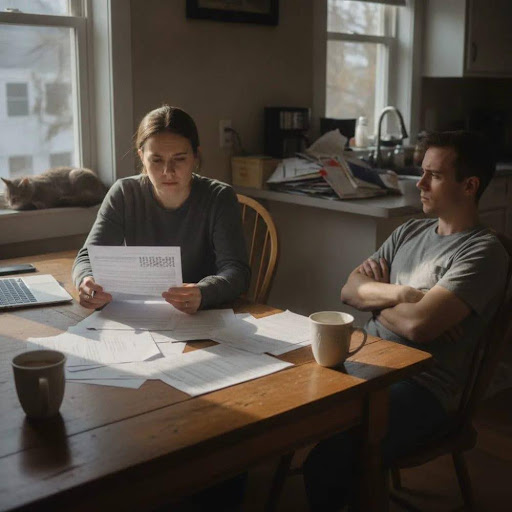
Facing questions about a nuptial agreement can feel incredibly heavy. Here in Worcester County, our courts don’t just rubber-stamp every agreement. No, these documents must meet very specific legal standards. Miss just one of them, and a Worcester County probate court judge can easily toss the entire thing out. And then you’re back to square one.
We’ve had people come into our office at Rudolf, Smith, Griffis + Ruggieri Nuptial Agreement Attorneys who had agreements they drafted all by themselves, truly thinking everything was handled and safe. But more often than not, the document missed a basic requirement or two. This is not uncommon, especially around here. It’s a tough talk to have, especially after a marriage has already ended and the stakes are high. That’s where we come in, bringing our combined 70+ years of experience to bear.
Get in touch for your free case consultation online or by calling (508) 425-6330.
The Core Requirements Under Massachusetts Law
The Massachusetts Supreme Judicial Court really set the standard for prenuptial agreements. This happened in the landmark case, DeMatteo v. DeMatteo (2002). That ruling laid out a very important two-part test. It’s a test courts still use for every single agreement today. First, the agreement needs to be fair and reasonable the moment it’s signed. Second, it also needs to stay fair and reasonable when it’s enforced, perhaps many years later. Both parts carry the same weight, equally.
A valid nuptial agreement in Massachusetts needs a few specific things:
- Full financial disclosure from both parties before signing
- Voluntary execution with no pressure, threats, or coercion
- Enough time between signing and the wedding to show it wasn’t rushed
- Terms that are fair at the time of signing
- Terms that remain conscionable when enforced years later
That fifth point, about remaining conscionable, truly catches a lot of people off guard. An agreement can be perfectly valid on your wedding day itself. But it can still get struck down completely during divorce proceedings. This happens if circumstances have changed drastically since signing. For example, say one spouse chose to give up a promising career to raise children for twenty years. And then the agreement leaves them with absolutely nothing. A judge right here in Worcester Probate and Family Court has every right and the clear authority to simply set that agreement aside. And they will, if it seems right, especially when someone is left in a truly vulnerable spot.
Financial Disclosure Is Non-Negotiable
You just can’t hide assets. You cannot, under any circumstances, minimize your income either. Both people must lay absolutely everything on the table before signing that document. We’re talking every bank account, all retirement funds, real estate holdings in places like Shrewsbury or Grafton, any business interests, every single debt. All of it. Seriously.
This is where those DIY agreements fail. Often. People either skip disclosure completely. Or they just chat about it informally over coffee. That’s not close to enough. Courts need proof. They want to see documents showing both people knew exactly what was on the table. This part is simpler than people make it, frankly.
Contact Us
With over 70 years of combined experience, Rudolf, Smith, Griffis & Ruggieri, LLP can give clients the leadership they need on difficult matters of criminal defense, family law, and more.
Voluntary Signing and Timing
Handing your partner a nuptial agreement the night before the wedding? That’s a major problem. Massachusetts courts really look at timing. It serves as strong evidence of whether the signing was truly voluntary. If one person felt intense pressure to sign because wedding guests were already flying into Worcester, perhaps from out of state, or even stuck in traffic on I-190, a judge may well decide the agreement was signed under duress. And that makes it invalid, full stop.
We tell our clients: start this process months before the wedding. Not just weeks. We mean months.
And both people need independent legal counsel. This isn’t just a suggestion, it’s a strong recommendation from our experience. If one spouse had a seasoned lawyer draft the entire agreement and the other spouse signed without any legal advice at all, that imbalance creates a very real vulnerability. Courts definitely take notice of it, and so do we. They’ll question the fairness.
What Courts Look For
A probate judge, looking over your nuptial agreement, will certainly ask some basic questions. Did both parties truly understand every single term within it? Was there a real, meaningful opportunity to negotiate its clauses? Were the financial disclosures accurate and completely transparent? Does the agreement, as it stands today, leave one spouse in a drastically unfair, almost impossible position?
If any of those answers raise concerns, the agreement faces real risk. It won’t matter how perfectly you wrote the words. The agreement’s core substance must stand strong.
Understanding these complex requirements? That’s just the first, important step. But knowing them, and then meeting them in a document that holds up legally, well, those are two very different things entirely. If you’re considering a nuptial agreement, or perhaps you’re worried about one you’ve already signed, our compassionate team is here. We offer free consultations. We can help you evaluate exactly where things stand for you. And with over 70+ years of combined experience, we’re fighting for you every step of the way.
Get started on your case today; call Rudolf, Smith, Griffis & Ruggieri, LLP at (508) 425-6330 or contact us online to request your complimentary initial consultation.
Why Fairness Gets Reviewed Twice, Not Once
Most folks assume a nuptial agreement simply needs to look fair on the day you sign it. That’s only half the story under Massachusetts law, frankly. A court gets to review your nuptial agreement at two totally separate points in time. And it needs to pass both reviews, not just one, to hold up, period.
This is exactly where self-drafted agreements usually fall apart.
The First Review: When You Sign
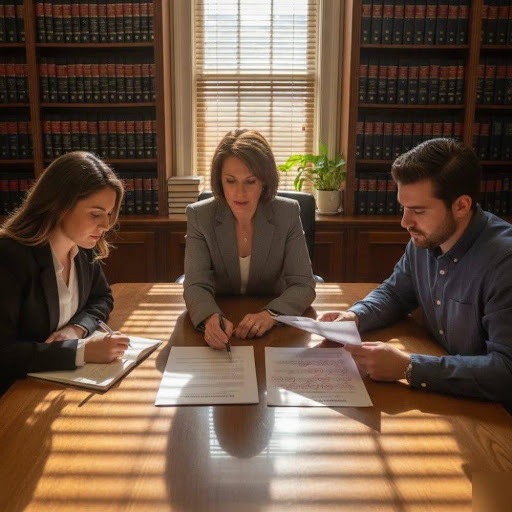
Massachusetts courts very carefully examine if the agreement was fair and reasonable when it was first signed. The landmark case that established this standard? It was DeMatteo v. DeMatteo, a ruling from the Massachusetts Supreme Judicial Court back in 2002. Under that significant ruling, a judge asks what seems like a simple question: did both people truly enter this agreement voluntarily? And did they have full, complete knowledge of each other’s finances before signing?
That means both parties absolutely need to disclose everything. Every single bank account, all retirement funds, real estate holdings in places like Holden or Northborough, all debts. We see people skip this important step constantly. They often say it feels awkward, maybe even too invasive to reveal everything. But without a truly full financial picture from both sides, a court can, and often will, throw out the entire agreement. The rest of your carefully written document? It won’t matter then.
Voluntary also means zero pressure, period. No signing an agreement the actual night before your wedding, for instance. And absolutely no ultimatums. A judge here in Worcester County will scrutinize the specific circumstances around the signing. The timeline matters just as much as the document itself, frankly.
The Second Review: When You Enforce It
Here’s the part that genuinely catches most people off guard. Even if your nuptial agreement appeared perfectly fair when you first signed it, a Massachusetts court can still reject it, often many years later. This important second review always happens at the time of enforcement, that’s usually during divorce proceedings, when tensions are often high.
A judge will ask if enforcing that agreement now would be unfair. Because circumstances change. Think about everything that can shift over five, ten, even twenty years:
- One spouse left a career to raise children
- A serious illness changed someone’s earning ability
- One person’s assets grew dramatically while the other’s didn’t
- The cost of living in Worcester shifted the financial picture
If the agreement would leave one spouse in a drastically worse position, far beyond what anyone could have reasonably predicted, a court can modify or even completely discard specific terms. This particular second review, where fairness is re-evaluated, is genuinely unique to Massachusetts. Not every state, it turns out, applies this kind of scrutiny.
Why This Matters for DIY Agreements
A template downloaded from some website can’t possibly anticipate how your life will unfold fifteen years from now. And it certainly cannot build in the kind of necessary flexibility required to survive judicial review at both key stages. We’ve personally reviewed countless agreements where couples genuinely did everything right at signing. But they left absolutely no room for life’s inevitable changes. That document then turned into a major liability, rather than the intended protection.
Think about this for a second. You and your partner might agree right now, no alimony for either of you. But what if one of you later stops working to care for a child with special needs? That alimony waiver? It could look wildly different to a judge in Worcester Probate and Family Court ten years later.
Building robust provisions that thoughtfully account for complex future changes just isn’t something a generic form can do for you. It really takes someone who intimately understands how local judges, here in Worcester County, in places like Fitchburg or Leominster, interpret these agreements. Someone who knows exactly what triggers a ‘second-look’ rejection. That’s a huge difference.
Frequently Asked Questions
Can you write your own nuptial agreement without a lawyer in Worcester?
You can write your own nuptial agreement, but Massachusetts courts still hold it to strict legal standards. Worcester probate judges check for full financial disclosure, voluntary signing, and fair terms both now and years later. Many DIY agreements miss one or more of these requirements without realizing it. A small mistake can get the whole document thrown out during a divorce. Reviewing your draft with an attorney before signing helps you catch these issues early.
What is the biggest mistake people make when writing their own prenup?
The biggest mistake is skipping full financial disclosure. Many couples talk about finances casually instead of putting everything in writing. Massachusetts courts want proof that both people knew about every account, debt, and asset before signing. Without that proof, a Worcester County probate judge can strike down the entire agreement later. This mistake shows up often in self-drafted documents brought into our office.
How much time should you leave between signing and your wedding date?
You should leave several months, not just weeks, between signing and your wedding. Massachusetts courts look closely at timing to decide if a signature was truly voluntary. Last-minute agreements, especially with guests already traveling to Worcester, can look like pressure to a judge. That pressure can make the whole agreement invalid. Starting early gives both people time to review terms and get independent legal advice.
Can a nuptial agreement be thrown out even if it was fair when signed?
Yes, a nuptial agreement can still be thrown out even if it was fair on your wedding day. Massachusetts law requires the agreement to stay fair when it’s actually enforced, sometimes decades later. A Worcester Probate and Family Court judge can set aside terms that leave one spouse in a truly unfair position. This often happens when one spouse gave up a career for years without matching protection in the agreement. Reviewing your document’s long-term fairness now, rather than after a divorce filing, protects you later.
Do both people need their own lawyer for a nuptial agreement to hold up?
Both people should have their own lawyer, though it’s not always required by law. Courts pay close attention when only one spouse had legal advice while drafting the agreement. That imbalance can make a judge question whether the signing was truly fair. Independent counsel for each person protects both sides and strengthens the agreement’s chances in court. If you’re weighing whether you can write your own nuptial agreement without a lawyer, this imbalance is one of the biggest risks to understand before you sign.
What happens if a Worcester judge decides your prenup wasn’t fair?
If a judge decides your prenup wasn’t fair, the court can strike it down completely. That means the agreement no longer applies, and property division follows standard Massachusetts divorce rules instead. This can undo years of planning in one ruling. Worcester Probate and Family Court judges check disclosure, timing, and long-term fairness before enforcing any agreement. A proper legal review before signing lowers this risk significantly.
Contact Us Today
Get Started With a Consultation.
Hablamos Español.