
Divorce Litigation in Worcester
When Divorce Becomes a Contested Legal Battle
You never plan for this. No one hopes their divorce turns into a courtroom battle. Yet, here you are, and the other side will not agree on custody, the family home, or support. At this point, divorce litigation in Worcester becomes your reality.
A contested divorce means you and your spouse cannot agree on key issues. Perhaps it involves who keeps the family home near Elm Park. It might be how retirement accounts are divided. Or perhaps parenting time has become the single point neither of you will concede. We see this situation every week: good people caught in difficult disagreements.
Under Massachusetts law, the Probate and Family Court resolves these disputes. A judge will hear both sides and make the final decision. This sounds straightforward, but it is not. The process involves discovery, motions, temporary orders, and often months of preparation before trial. Without legal counsel familiar with this court, you face a significant disadvantage.
Here is what commonly leads a divorce into litigation:
- Disagreement over asset division, especially real estate or business interests
- Disputes about child custody or parenting time schedules
- One spouse hiding income or assets
- Conflict over alimony amounts or duration
- Refusal by one party to negotiate in good faith
Not every contested case proceeds all the way to trial. Sometimes, filing a motion and presenting your evidence to the judge can resolve the disagreement. However, you need an attorney prepared to fight for you if a settlement is not reached.
Our experienced team at Rudolf, Smith, Griffis & Ruggieri has handled contested divorces across Worcester County for decades. As a divorce lawyer serving Worcester County, our firm brings over 70 years of combined experience and a deep understanding of how these cases progress through the local court system — including what judges in Worcester County expect. That experience helps us protect what matters most to you, especially when the other side is uncooperative.
Feeling overwhelmed is a normal reaction. What happens next matters most.
Call our office today at (508) 425-6330 or reach out here online to set up a consultation.
How Divorce Litigation Works at Worcester County Probate and Family Court
Many clients come to us having never been in a courtroom before. This is common. We guide you through each step before any documents are filed.
Litigation in Worcester starts at the Probate and Family Court on Main Street. This is where your case proceeds from the first filing to the final judgment. The process follows a clear path under Massachusetts law. Understanding the process ahead can make a significant difference in how you approach it.

The Steps From Filing to Final Judgment
Here is how the process moves once you decide to litigate:
- We file your Complaint for Divorce with the court. This includes required financial statements and supporting documents.
- Your spouse receives formal notice. Massachusetts rules allow them 20 days to respond.
- Both sides exchange financial disclosures. This includes bank records, retirement accounts, property values, and income documentation. All relevant financial information is presented.
- The court schedules a case management conference. A judge reviews the case status and sets deadlines.
- If disputes remain over asset division, alimony, or parenting plans, we proceed with motions and pre-trial hearings.
- During trial, each side presents evidence and testimony. The judge then decides issues you and your spouse could not resolve.
We see this process every week at that courthouse. Some cases resolve at step four or five because the pressure of a looming trial encourages the other side to negotiate. Others proceed to trial. Either way, you need an attorney who is prepared for either outcome.
Many clients are surprised by temporary orders. While your case is pending in Worcester, the court can issue orders for child custody, spousal support, and who stays in the family home. These temporary orders shape daily life for months, sometimes over a year. Securing favorable temporary orders early is often more important than clients initially realize.
We tell every client, from Burncoat to the west side, a simple truth. The courtroom is the last resort, not the first. We prepare every case as if it is going to trial. This thorough preparation gives us leverage, whether we settle effectively or prevail in court. Our experienced team has spent decades handling family law in Worcester County, understanding this court, these judges, and how to move your case forward.
What the Pre-Trial Phase Means for Your Outcome
Most divorce litigation in Worcester does not begin in a courtroom. It begins in the pre-trial phase. What happens during this phase shapes the entire case.
The pre-trial phase is where we establish the foundation of your case. We gather financial records, request documents from the other side, take depositions, and identify all relevant assets and liabilities. Overlooking any step here can create disadvantages later. We see this regularly at Worcester Probate and Family Court.
What Happens During Pre-Trial
There is a specific sequence to this work:
- We file the initial complaint and serve your spouse with required documents under Massachusetts law.
- Both sides exchange financial statements. These are mandatory in Worcester County.
- Discovery begins. This process includes interrogatories, requests for documents, and sometimes depositions of your spouse or financial experts.
- We attend pre-trial conferences with the judge. Our aim is to narrow the issues and explore early resolutions.
- Motions are filed. Temporary orders for child support, custody, or use of the marital home often take effect before trial even begins.
The temporary orders stage is more important than many realize. The arrangements set during pre-trial often influence the final judgment. Judges observe established patterns. If you have had primary custody of your children for six months under a temporary order, that can carry significant weight in court.
We handle cases across Worcester, from families in Burncoat to business owners near the Canal District. Every situation is different, but the pre-trial process follows the same structure. Our attorneys know how to use each step to your advantage. This knowledge is built on decades of handling these cases in Worcester County.
Many clients are unsure if their case will go to trial. This is a common concern. Many cases settle during this phase once both sides see the full picture. However, we prepare every case as if it is proceeding to trial. This preparation provides you with leverage, whether you settle your case or proceed to court.
If you are ready to discuss your case, give us a call for a free consultation.
Core Issues a Worcester Divorce Trial Decides
Clients often ask us the same question when they visit our office near Lincoln Square: “What exactly will a judge decide if we go to trial?” It is a fair question, and the answer affects every aspect of your life.
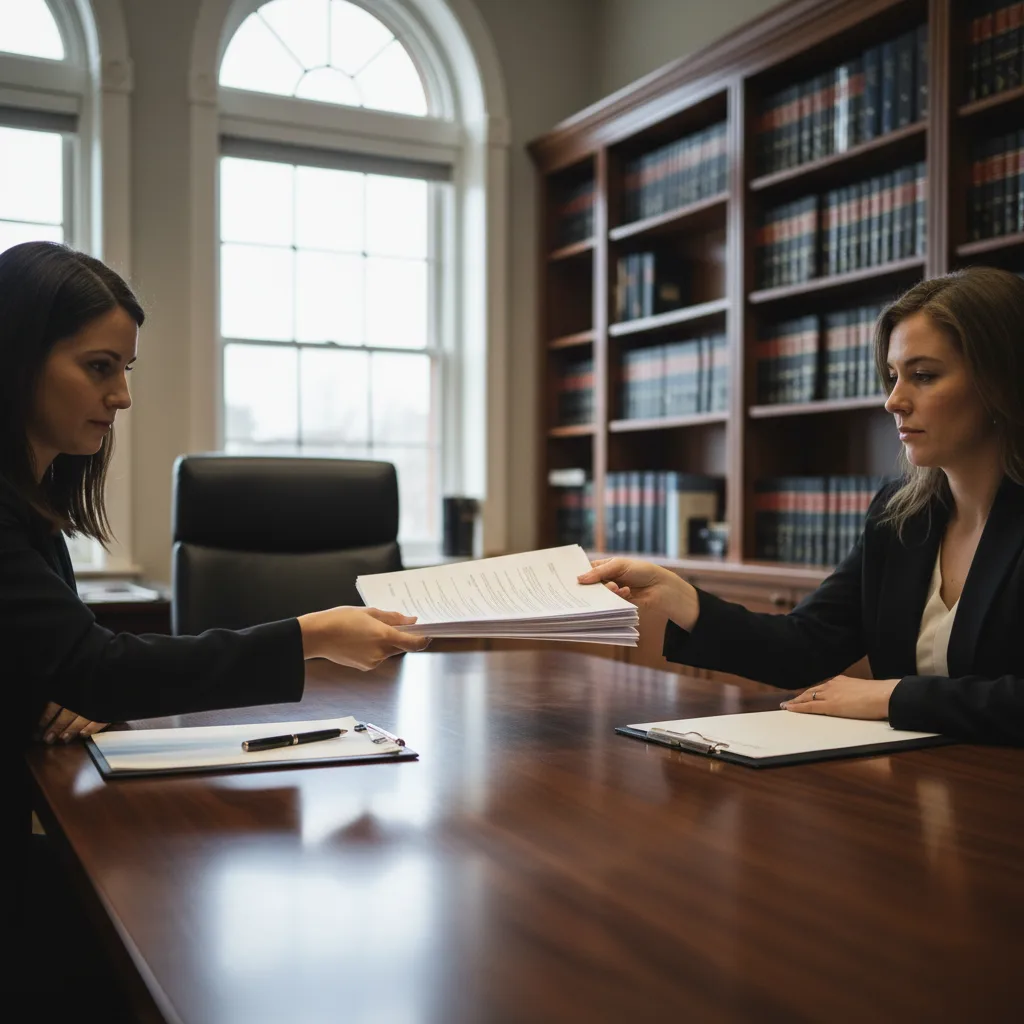
A divorce trial in Worcester County Probate and Family Court presents unresolved disputes to a judge. That judge then makes binding decisions on issues you and your spouse could not agree upon. We see this happen every week. Sometimes it involves a single point of disagreement. Other times, it involves every aspect of the divorce.
What’s Actually on the Table
The core issues a Worcester divorce trial addresses usually fall into a few categories:
- Property division, determining who receives the house, retirement accounts, investments, and other marital assets under Massachusetts equitable distribution law.
- Alimony, addressing whether one spouse pays support, the amount, and for how long, based on the Massachusetts Alimony Reform Act.
- Child custody and parenting plans, defining where your children live, how decisions are made, and the visitation schedule.
- Child support, calculated using the Massachusetts Child Support Guidelines. This can sometimes be adjusted based on specific family circumstances.
- Debt allocation, assigning responsibility for the mortgage, credit cards, loans, and other obligations accumulated during the marriage.
Clients are often surprised to learn this: Massachusetts is an equitable distribution state. This does not mean equal division. A judge weighs factors such as the length of your marriage, each spouse’s earning capacity, and contributions to the household. The outcome frequently differs from initial client expectations.
When it comes to custody, the court’s sole concern is the interests of your children. It is not about what feels fair to either you or your spouse. A judge in Worcester will look at each parent’s involvement, stability, and ability to co-parent. We help you build a record that demonstrates your role as a parent to the court.
Every one of these issues requires evidence, preparation, and strategy. Our attorneys have spent decades in Worcester County courts, understanding how local judges evaluate these factors and what documentation carries weight.

Mistakes That Hurt Worcester Divorce Cases Before They Start
Almost every week, we see clients who have made a move that already put them at a disadvantage. This is often not due to carelessness, but because they lacked proper guidance. Significant mistakes often occur before litigation begins. Most of these seem harmless at the time.
Here is what we see damage cases most often in Worcester:
- Moving out of the family home too early. You might believe leaving will maintain peace. However, in Massachusetts, it can affect your position on property division and custody. Do not leave without a legal plan.
- Hiding money or moving assets around. Judges in Worcester County view this conduct with extreme seriousness. Transferring funds to a friend’s account or a relative’s name creates a clear trail, and it will reflect poorly in court.
- Venting on social media. An angry post about your spouse can appear as an exhibit. We have seen a single social media comment change the tone of an entire hearing.
- Ignoring financial records. Gather copies of tax returns, bank statements, retirement accounts, and mortgage documents before conflicts arise. Once the other side retains legal counsel, obtaining access becomes more difficult.
- Taking legal advice from friends or family. Your cousin’s divorce in another state followed different laws than Massachusetts. Massachusetts has its own rules on alimony, asset division, and parenting plans. What proved effective for someone else could have negative consequences here.
Clients who seek advice early are in a stronger position than those who delay. This is not a sales tactic; it is simply what we have observed across thousands of cases in Worcester over the years.
If you are considering divorce litigation, speak with someone familiar with the local courts first. Our team can help you understand what steps to take immediately and which ones to avoid. A free consultation offers a direct way to protect your interests before any documents are filed.
The most damaging mistakes often occur not in court, but in the months leading up to formal proceedings.
Reach out by calling the office at (508) 425-6330 or through filling out our online contact form.
Frequently Asked Questions
How long does a contested divorce take at Worcester Probate and Family Court?
Most contested divorces in Worcester take 12 to 24 months from filing to final judgment. The timeline depends on how many issues are disputed and how cooperative both sides are. Cases involving hidden assets or complex custody disputes take longer. Temporary orders can be in place within weeks, though. Those early orders often shape daily life for a year or more while the full case moves forward.
What are temporary orders, and why do they matter so much in Worcester divorce cases?
Temporary orders are court decisions made before your divorce is final. A Worcester judge can order who stays in the family home, who pays support, and who has custody while the case is pending. These orders can last a year or longer. Judges notice established patterns. If you have had primary custody for six months under a temporary order, that history carries real weight at trial.
What happens if my spouse is hiding income or assets during our Worcester divorce?
You have legal tools to find hidden assets. Discovery allows your attorney to request bank records, tax returns, and financial documents directly from your spouse. Depositions and subpoenas to financial institutions are also options. Worcester Probate and Family Court takes financial disclosure seriously. Both sides must file mandatory financial statements. Incomplete or dishonest filings can seriously damage your spouse’s credibility with the judge.
Do I have to go to trial, or can my contested divorce settle before that?
Most contested divorces in Worcester settle before trial. Filing motions and presenting evidence at pre-trial hearings often pushes both sides toward agreement. The pressure of a scheduled trial date encourages negotiation. That said, you need an attorney prepared to go all the way. Cases that settle often do so because the other side knows you are fully ready to fight in court.
What should I bring to my first meeting about divorce litigation in Worcester?
Bring recent tax returns, pay stubs, bank statements, and any documents related to property or retirement accounts. If children are involved, bring school records or any existing custody agreements. Worcester Probate and Family Court requires detailed financial statements from both parties. The more organized your records are early, the stronger your position during discovery and at any temporary orders hearing.
Call our office today at (508) 425-6330 or contact us online to set up a free consultation.
Why Choose Rudolf, Smith, Griffis & Ruggieri, LLP?
What Sets Us Apart
Trial Preparedness
Our attorneys know the value of examining evidence, hiring investigators, and interviewing witnesses. We can go to court on your behalf at any moment.
Personal Attention
We purposely limit our caseload to make sure our clients receive one-on-one attention. We treat you like one of our own because you deserve it.

Strategic Approach
To represent our clients effectively, we must have an effective strategy put into place. We are calculated, prepared, and primed to take action.
Collaborative Insight
We believe in working together as a unified team. By working collaboratively, each team member can bring unique critical thinking solutions to the table.

Get Started With a Consultation
Contact Us Today or Call Us at (508) 425-6330