
What factors do courts consider when determining child visitation in Worcester?
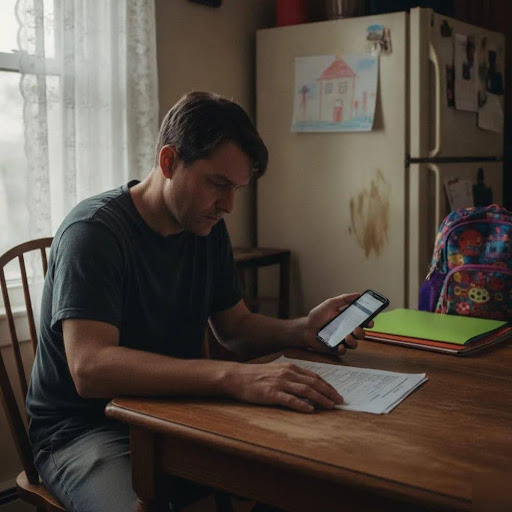
The “Interest of the Child” Standard Explained
Facing a child visitation dispute in Worcester is hard, and as a child custody lawyer Worcester families turn to, we hear this from nearly every parent who walks through our door: everything feels like it’s about to be decided for them. But here’s what you need to know — every single child visitation decision in Massachusetts comes down to one central question. What is truly best for the child? It’s not about what seems fair to the parents. It’s not about who “deserves” more time. The court’s only job — the one thing that guides every decision — is protecting your child’s well-being.
This legal principle is known as the “interest of the child” standard. It guides every case here. Judges in Worcester County use this framework for all child visitation decisions, covering far more ground than most parents initially expect, often touching on details you might not even consider legal matters.
Get in touch for your free case consultation online or by calling (508) 425-6330.
What the Standard Looks At
Massachusetts General Laws Chapter 208, Section 31, gives judges real power to weigh all sorts of factors. There isn’t one simple checklist that promises a specific outcome. No guarantees here. But the court always zeroes in on a few key areas.
- The child’s emotional bond with each parent and how each parent supports that bond with the other
- Each parent’s ability to provide a stable home, consistent routines, and safe living conditions
- The child’s adjustment to their current school, neighborhood, and community life
- Any history of domestic violence, substance abuse, or neglect involving either parent
- The mental and physical health of both parents and the child
We see it all the time. Parents come into our Worcester office. They think the court only cares about who makes more money. Or who has the biggest house. That’s just not how it works. A judge at Worcester Probate and Family Court looks at your child’s entire daily life, the full picture.
How Judges Apply This in Practice
Here’s a situation we’ve worked through many times. You have one parent living in a quiet spot right near Elm Park, maybe in the Tatnuck or Salisbury Street area. The child goes to school close by. They have friends on the street. They play local youth sports, probably at one of the parks or school fields. The other parent, though, just moved across Massachusetts for a new job. Now, the court won’t automatically rule against the parent who relocated. That’s not the point. But the judge will really dig into how that move messes with the child’s stability. Their schoolwork, their friendships, all of it gets examined.
The child’s age? It matters a lot. A toddler needs one thing. A teenager, something else entirely. Little kids often need to see both parents more often, just short bursts, brief, consistent connections are key for them. Older kids, they might have their own ideas about where they want to spend their time. The court can listen to those ideas, depending on how mature the child seems and how well they can articulate their reasons.
And here’s the kicker. Something most people don’t grasp until they’re deep into court. The court really watches which parent genuinely tries to help the child keep a good relationship with the *other* parent. If you talk trash about your co-parent when your child is around, or if you block phone calls, that will absolutely work against you, make no mistake. Judges see when parents cooperate. They also see when someone tries to shut the other parent out.

Contact Us
With over 70 years of combined experience, Rudolf, Smith, Griffis & Ruggieri, LLP can give clients the leadership they need on difficult matters of criminal defense, family law, and more.
Why This Standard Gives You Room to Build Your Case
The “interest of the child” standard isn’t a brick wall. That’s good news. It means you get to show evidence about your unique situation. Your deep involvement in your child’s school in Worcester, maybe at Elm Park Community School or Norrback Avenue Elementary. Your presence at all their medical appointments. The part you play in bedtime stories, helping with homework, all the weekend fun.
But yes, the other parent gets to show their evidence too. Preparation? It’s everything. If you’re dealing with a child visitation dispute, an attorney who *gets* how Worcester Probate and Family Court really applies these factors changes everything for your case. It just does. Our team handles parenting plan development cases here in Worcester County often. what local judges look for. how to show your strengths. If you need some direction, check out our family law page. It explains how we can step in and help.
Parenting Time vs. Custody: Clearing Up the Terms
It’s to get lost in the legal language when your family is going through a tough time. We hear these two terms, ‘custody’ and ‘child visitation,’ mixed up almost every day here in our Worcester office. Parents come in thinking they’re the same thing. But they aren’t. And that difference? It matters more than you’d expect.
Custody in Massachusetts really breaks into two distinct parts: legal custody and physical custody. Legal custody is all about who makes the big choices. Who decides the child’s school? Who picks their doctor? Physical custody deals with where your child lives day to day. A parent can absolutely have joint legal custody but not equal physical custody. That’s a common setup.
Child visitation is its own thing entirely.
Child visitation means the planned time a parent without primary physical custody gets with their child. The court sets this schedule based on what *works* for the child’s routine. Not what feels fair to either parent. So, if you don’t have primary physical custody, you still get structured time. And that time is protected by the court’s order. It’s a real commitment.
Get started on your case today; call Rudolf, Smith, Griffis & Ruggieri, LLP at (508) 425-6330 or contact us online to request your complimentary initial consultation.
Why the Distinction Matters in Court
Judges at Worcester Probate and Family Court treat custody and child visitation as totally separate issues. You could miss out on primary physical custody. But you could still get a solid visitation schedule. We’ve seen parents think losing custody means losing their kids. It almost never means that.
This is where it gets real. Imagine a dad living near Elm Park, maybe in the Webster Square area. He works second shift, often getting home late. He simply can’t do weekday school pickups. The court might give the mom primary physical custody during the school week. But the dad gets every weekend. And all school vacations. That’s not a loss, not at all. That’s a child visitation schedule that works for the child. And for the father’s life.
That same law, Chapter 208, Section 31, guides judges on both custody and child visitation. The law doesn’t favor one parent over the other because of gender. But it *does* demand the court always focus on the child’s interests in every single decision. Always.
- Joint legal custody means both parents share major decisions about the child’s life
- Physical custody determines the child’s primary residence
- Child visitation is the non-custodial parent’s scheduled time with the child
- A parenting plan can combine all three into one clear document
And here’s something most people don’t get until they’re already in court, already caught in the process. The words you put in your filing shape how the judge sees your case. Asking for “visitation rights”? That sends a totally different message than asking for “shared parenting time.” Your language defines your role as a parent, it really does.
Our team helps Worcester families figure out these terms *before* anything gets filed. Getting the language right from the jump? It can really change how your case goes. If you’re not sure if it’s a custody issue or a child visitation issue, that confusion is normal, believe me. But you need to clear that up before you ever walk into a courtroom.
Understanding these terms gives you a real leg up. Not some legal trick. Just clarity. And clarity helps you fight for the schedule your child truly needs. If you’re building a parenting plan or getting ready for a custody hearing, our team at Rudolf, Smith, Griffis & Ruggieri can walk you through what specifically applies to your situation here in Worcester County. That’s what we do.

The Core Factors That Shape a Parenting Time Decision
When your family is changing, the legal process can feel overwhelming. And Massachusetts law doesn’t hand judges a simple checklist for parenting time. Instead, courts right here in Worcester County look at your family’s whole life. Every single case is different. That’s the core idea. The goal? Always the same: to protect your child’s interests above all else.
But what does “interests” really mean in a courtroom? It means the judge digs into the real, everyday facts of your child’s world. We see it often: parents show up at Worcester Probate and Family Court expecting just one or two big things to settle everything. The truth? It’s always more complicated than that.
Here are the main things a judge will consider:
- The child’s emotional bond with each parent. Who does your child run to for comfort? Who sits down for homework, handles bedtime, takes them to doctor visits? Courts really watch these daily patterns. They show a lot.
- Each parent’s ability to meet the child’s needs. This covers physical care, yes, but also emotional support and a stable home life. Your living situation right here in Worcester matters. Is the home safe? Is it a good fit for your child?
- The child’s adjustment to home, school, and community. If your child goes to school in the Burncoat or Grafton Hill neighborhoods, or maybe near Shrewsbury Street, the court will look at how changing their schedule might throw off that whole routine. It’s a big deal.
- Each parent’s willingness to support the child’s relationship with the other parent. Judges *really* notice when one parent tries to limit contact. Or talks bad about the other. This factor carries serious weight in court. It’s not something to ignore.
- Any history of abuse or substance issues. Section 31A of that very same chapter demands courts account for domestic violence when making any child visitation decisions. No wiggle room there.
That last point? It’s non-negotiable. If a restraining order exists, or if there’s documented abuse, that absolutely flips the script for the entire case. It’s a huge factor.
What Judges Focus On
Here’s a truth most people miss until they’re standing in front of a judge. The court doesn’t really care who “deserves” time. They care about who has been doing the work. Who takes the kids to soccer practice? Who sets up the dentist appointments? Who knows their child’s teacher’s name at Flagg Street School? That stuff matters.
We’ve worked with parents right here in Worcester who thought their career success would impress the court. It won’t hurt, no. But that’s not what moves the needle for a judge. They want to see real, hands-on involvement in your child’s life.
And what about the child’s own wishes? Yes, courts can consider them. Massachusetts doesn’t have a strict age cutoff for this. A judge might listen to a twelve-year-old’s preference. But a younger child’s expressed wishes? Those carry less weight. The court always runs those preferences through a filter of maturity and context.
The mental and physical health of both parents matters too. Not as a weapon, by the way. But as a very practical concern. Can you provide a stable home for your child? Can you handle the daily demands of parenting on your scheduled days? These are serious questions.
Here’s a situation we often see: a parent moves to a new spot in Worcester County. Maybe they’re leaving Main South and heading out to Shrewsbury. That kind of move changes commutes. It changes school logistics. It changes everything. The court will always examine how that relocation impacts your child’s existing routine, only then will they consider adjusting any schedule.
If you’re getting ready for a child visitation hearing, understanding these factors gives you a serious advantage. Knowing what the court truly values helps you present your case clearly. Our team handles parenting plan development for Worcester families constantly. We help answer these exact questions for people just like you. And we’ve got over 70 years of combined experience doing it.
Frequently Asked Questions
What does the “interest of the child” standard actually mean?
The “interest of the child” standard means judges make visitation decisions based on what helps your child thrive, not what feels fair to parents. In Worcester Probate and Family Court, this covers your child’s emotional bonds, school stability, and safety at home. Judges weigh these details together instead of using one fixed rule. Understanding this standard early helps you build a stronger case. If you want help preparing your side, our Worcester family law page walks through what local judges typically look for.
Does my child get a say in visitation decisions?
Yes, older children can share their preferences, but it depends on their age and maturity. A judge in Worcester County will listen more closely to a teenager’s reasoning than a young child’s wishes. Younger kids usually need frequent, shorter visits to stay bonded with both parents. Courts still weigh the child’s input alongside safety, stability, and each parent’s involvement. Your child’s voice matters, but it’s one piece of a larger picture judges review.
How is child visitation different from custody in Massachusetts?
Child visitation and custody are separate legal issues in Massachusetts. Custody decides who makes big decisions and where your child mainly lives. Visitation sets the actual schedule for the parent without primary physical custody. You can have joint legal custody but a set visitation plan instead of equal physical time. Many Worcester parents worry that losing primary custody means losing time with their kids. That’s rarely true once a fair visitation schedule is in place.
Can moving to a new city affect my visitation rights in Worcester County?
Yes, relocating can affect your visitation case, but it won’t automatically cost you time with your child. Worcester Probate and Family Court judges look at how a move impacts your child’s school, friendships, and daily routine. A parent staying near Elm Park or Tatnuck with strong community ties may get weighted differently than one who relocated across the state. The court’s focus stays on stability for your child, not punishing either parent for moving.
Will speaking badly about my co-parent hurt my visitation case?
Yes, badmouthing your co-parent in front of your child can hurt your case in Worcester. Judges watch closely for which parent supports the child’s relationship with the other parent. Blocking phone calls or making negative comments signals to the court that you may not put your child’s needs first. Cooperating, even when it’s hard, shows the court you’re focused on your child’s well-being. This is one of the quieter factors that carries real weight.
Contact Us Today
Get Started With a Consultation.
Hablamos Español.