
It’s a position no one ever wants to find themselves in, especially after having a drink. You’re driving down the road when suddenly you see blue lights behind you. The officer pulls you over and, suddenly, you’re being asked to do field sobriety tests and take a breathalyzer.
A Massachusetts OUI charge is serious, but so is refusing to take the breathalyzer or go through the field sobriety tests. While you can refuse the test, the state’s implied consent law means that you’ll face serious ramifications at the RMV, including a license suspension.
In this guide, we’ll cover what refusal really means, how it affects your driver’s license and OUI case, what happens at the RMV, and what to expect in Worcester District Court.

The Decision You’re Facing Right Now (Read This First If You’re Currently Stopped)
If you’re currently stopped, the decision you’re facing right now is monumental. This section includes important general information for your specific situation, but it shouldn’t be considered legal advice.
You have two options right now: refuse the breath test or take the breath test. There’s no universal right answer, and both decisions have consequences.
Refusing the breath test: If you refuse to take the breathalyzer test, it means that your license will be automatically suspended (first offenses usually get 180 days). However, it also means that your BAC isn’t recorded for prosecutors.
Taking the breath test: If you take the breath test and fail, your license is still suspended, but usually only for 30 days. However, it does give the prosecution your BAC as evidence.
Which is the right path for you? It really comes down to how much you drank, your previous record (other OUIs), and any evidence.
Regardless of your decision here, the very next step should be to call a Worcester OUI lawyer immediately after being arrested.
What Exactly Are You Being Asked to Do During an OUI Stop in Massachusetts?
During an OUI stop, you’re being asked to take a breathalyzer test and (usually) to take part in field sobriety tests that gauge your level of intoxication.
What Are Field Sobriety Tests and Why Do Police Use Them?
Field sobriety tests are exactly what they sound like – tests that supposedly help an officer determine whether you’re inebriated.
There’s no specific set of tests, either. It’s up to the officer’s discretion. Some of the most common include the eye text (horizontal gaze nystagmus), the walk-and-turn test, and the one-leg stand. While you’re doing these things, the officer’s watching for balance problems, checking your eye movements, and seeing whether you can follow instructions.
Do you have to go through the process? They’re not required by law, like the breath test is, but refusing them does come with consequences in court.
What Is the Breathalyzer and How Is It Different from Roadside Tests?
The Breathalyzer test is the official chemical breath test given at the police station, and it differs from roadside breath tests in many ways.
Roadside testing uses what’s called a portable breath test, or PBT. Chances are good that this is what you associate with the term “breathalyzer”, but they’re not the same thing. A PBT can give the officer an idea of your blood alcohol content (BAC), but they’re not considered definitive proof. PBT readings usually aren’t admissible in court, either. They’re really used to help the officer decide if you should be arrested.
The official breath test happens at the station and this is the one that falls under the state’s implied consent law, meaning that, by driving, you’re considered to have consented to taking a chemical breath test. Refusing it usually means an automatic license suspension of at least 180 days, but it can be for several years depending on your record. The suspension hearing also happens separately from your OUI case.
What Happens If You Refuse Field Sobriety Tests at the Roadside in Massachusetts?
Refusing a field sobriety test in Massachusetts doesn’t affect your license, but the prosecution can use it as evidence of your guilt.
Are You Legally Required to Do Field Sobriety Tests?
No, you’re not legally required to do field sobriety tests (FSTs) the same way you are a breathalyzer test.
That said, you can still be arrested for OUI based on the officer’s assessment of your driving, whether they smelled alcohol on your breath, if your speech was slurred, etc. Again, refusing the FST can be used to suggest consciousness of guilt.
How Does Refusing Field Sobriety Tests Affect Your OUI Case?
Refusing field sobriety tests can affect your OUI case in a few different ways, and not all of them are negative.
For one thing, the jury won’t see a potentially damaging, unsteady performance on video. However, the prosecution will likely argue that you refused because you knew you were impaired and would fail.
Most OUI cases rely mostly on officer observations. Were you weaving? Did the officer smell alcohol? Did you admit to drinking? Was your speech slurred?
Whatever the case, you need an experienced Worcester criminal defense attorney on your side.
What Happens If You Refuse the Breathalyzer in Massachusetts?
If you refuse the breathalyzer in Massachusetts, your license will be automatically suspended, even if you weren’t impaired under the state’s implied consent law.
What Is “Implied Consent” and Why Does Refusing the Breathalyzer Cost You Your License?
Like several other states, Massachusetts has an implied consent law. That is, by driving within the state, you’ve given consent to taking a chemical test if you’re lawfully arrested for OUI. Because of that law, refusing the breath test triggers an automatic RMV license suspension, even if you’re never convicted of OUI.
At the time of the stop, the officer will give you a form that explains the consequences of refusing the test. If you refuse, the RMV imposes suspension immediately.
How Long Will Your License Be Suspended for a Breathalyzer Refusal?
Your license will usually be suspended for at least 180 days for a breathalyzer refusal, but a few factors affect that.
First, the length of suspension depends on whether this is your first offense or not. If you have a prior OUI conviction or breathalyzer refusal, you can expect a longer suspension. Your age also plays a role (younger drivers get longer suspensions).
Most adults with no priors can expect a longer suspension for refusal than for a failed test (180 days versus 30 in a lot of cases).
It’s also important to realize that these are administrative RMV suspensions and are handled separately from any court-imposed consequences if you’re convicted. If you are convicted later, criminal suspension often overlaps with your refusal suspension, but that’s case-specific, so make sure to go over it with your attorney.
How Does Refusing the Breathalyzer Affect Your OUI Criminal Case in Court?
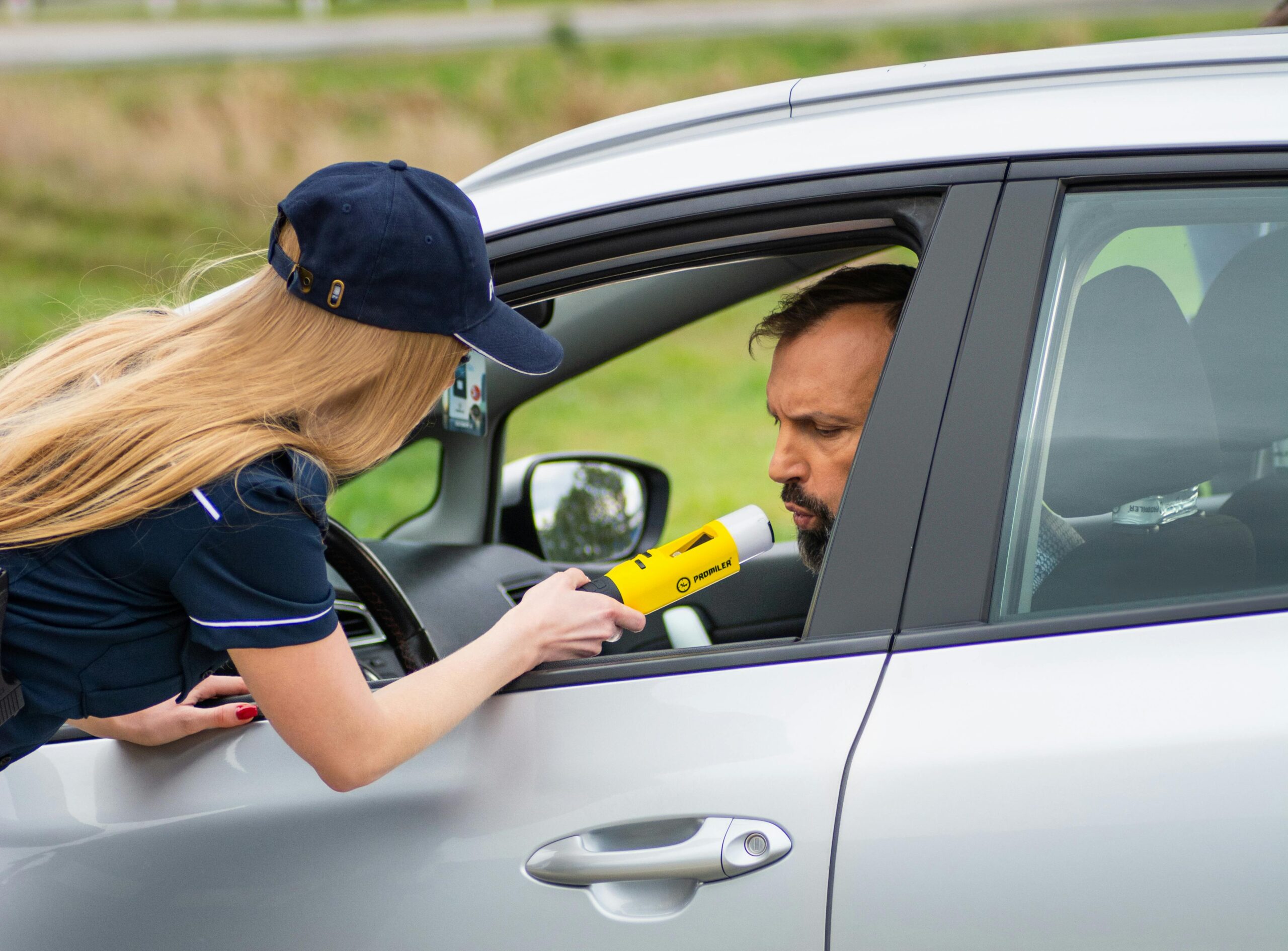
While refusing the breathalyzer negatively affects your license, it can have positive effects on your OUI criminal case.
Can Your Refusal Be Used Against You at Your OUI Trial?
Yes, your refusal to take the chemical test can be used against you at your OUI trial.
However, there’s more to it than that. Massachusetts appellate decisions govern what the jury hears about your refusal. Your attorney can explain how they apply. Often, the prosecutor doesn’t get to show a BAC number if you refuse, because there is no number. That means your case becomes more about the officer’s opinion and observations, which are subjective and can be attacked by your attorney.
What Evidence Will Prosecutors Use If You Refuse Both FSTs and the Breathalyzer?
Prosecutors will use evidence from officer observations if you refuse both FSTs and the breathalyzer test.
The prosecution will rely on things like whether you were speeding or swerving, as well as the officer’s description of your appearance (bloodshot eyes or slurred speech, for instance). They’ll also include any admission about drinking that you make.
However, if there are no BAC numbers and there’s no video footage of tests, then the case is entirely testimonial. Defense attorneys can challenge whether the officer labeled ordinary behavior as “impairment” and whether nerves, fatigue, or medical issues that contributed to those behaviors were ignored.
What Happens After a Refusal in Terms of Paperwork, RMV Hearings, and Court Dates?
After refusal, you’ll go through several steps, including receiving your notice of breath test refusal and license suspension, and attending the hearing.
What Paperwork Will You Receive After Refusing the Breathalyzer?
After you refuse the official breath test at the police station, the police and the RMV generate several pieces of paperwork that trigger immediate legal consequences.
You should get the following:
- Notice of Breath Test Refusal and License Suspension
This notifies you that the RMV has automatically suspended your driver’s license under the Massachusetts implied consent law. The suspension begins immediately and runs independently of your OUI case. - Criminal Citation or Complaint for OUI and Related Charges
The police issue paperwork charging OUI and often include additional motor vehicle offenses, liked marked lanes violations, speeding, or equipment issues, which form the basis of your case. - Booking Paperwork from the Police Station
This includes your booking sheet, property inventory, and release documents, and usually notes the breath test refusal and becomes part of the evidence the prosecutor reviews.
Can You Challenge the Breathalyzer Refusal Suspension at the RMV?
Yes, you can challenge the breathalyzer refusal suspension at the RMV, but you have a short window for doing that.
After a breath test refusal, you have immediately request an RMV hearing to contest the automatic suspension. If you miss the deadline, the suspension stays in place regardless of what happens in court.
The RMV hearing also has a very narrow scope. The hearing officer focuses on three issues:
- Whether the arrest was lawful
- Whether you actually refused the official breath test
- Whether the police properly warned you about the consequences of refusal
The RMV does not decide guilt or innocence on the OUI. Even if your criminal case is later dismissed or reduced, the RMV suspension does not automatically go away.
For many first-time refusals, you’re usually eligible for a hardship license for 90 days, subject to the RMV rules in effect at the time and your driving history. Eligibility isn’t guaranteed, however, and the requirements can change, which is why timing and preparation matter.
If you want any chance of shortening or lifting a refusal suspension, you need to request the RMV hearing immediately after an arrest in Worcester, and be prepared to challenge the arrest, the refusal, and the warnings on the RMV’s terms, not the court’s.
How Do Refusals Play Out Differently for First-Time vs. Repeat OUI Situations?
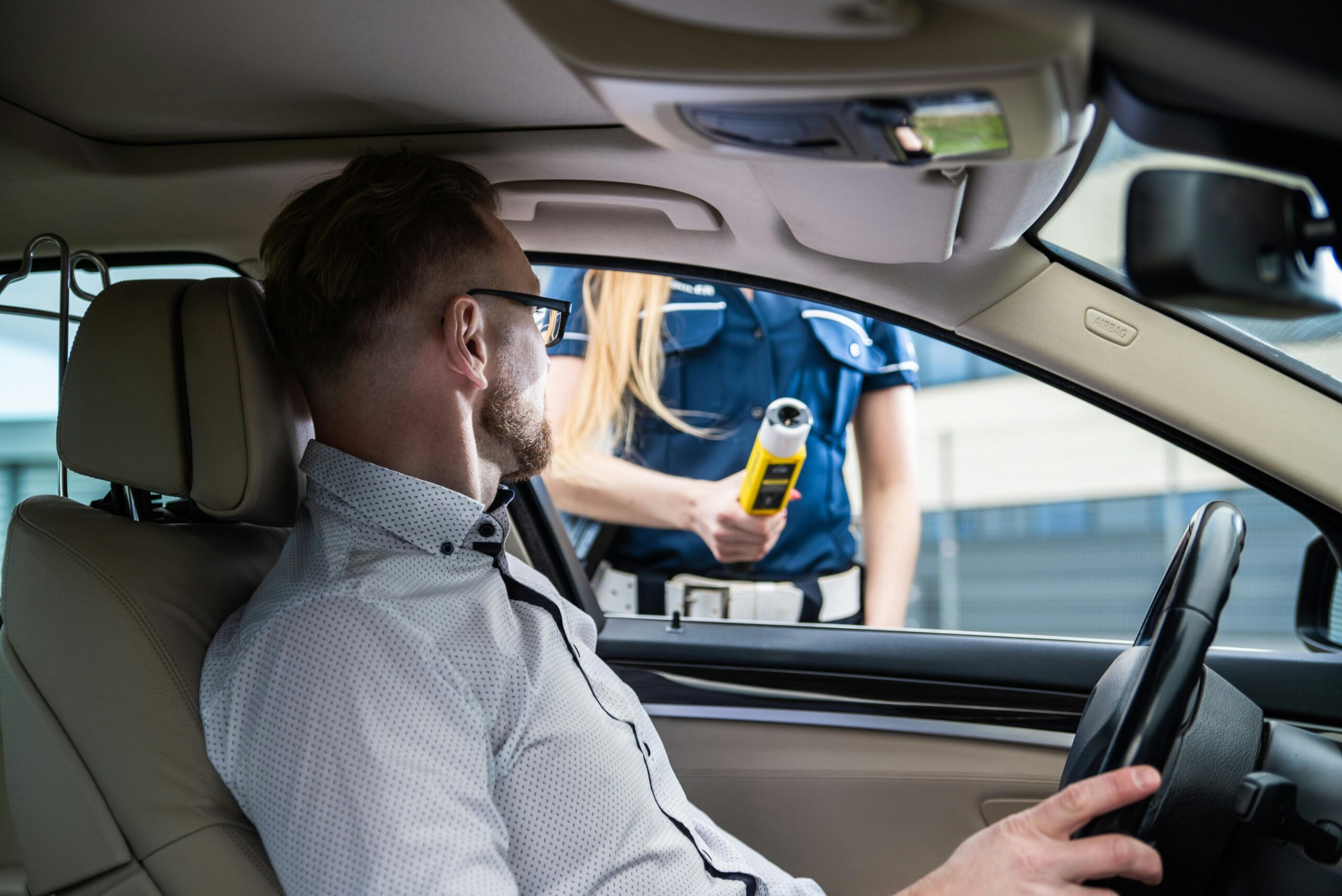
Refusals for first-time OUI charges vs. repeat OUI situations are usually more lenient, but that’s case-specific.
How Does a Refusal Affect You If This Is Your First OUI Stop?
Refusal affects you in three important ways if this were your first OUI stop. First, you’ll get a pretty significant suspension up front (180 days on average), but there’s no BAC number tied to your criminal case.
Second, judges and prosecutors are sometimes more open to first-offender resolutions, which can give you a better outcome than if this were a repeat offense.
However, the RMV still enforces the refusal suspension, no matter how favorable the court outcome is for you.
How Does a Refusal Change Things If You Have Prior OUIs or Refusals?
A refusal changes several things if you have prior OUIs or refusals, and you should be prepared for stiffer penalties.
Prior OUIs or refusals dramatically increase the length of your refusal suspension, and you’re facing possible jail time if you’re convicted. Prosecutors see a new refusal as evidence that you know the system and are trying to avoid having proof that you were under the influence. Finally, the RMV will impose a longer suspension if you’re a repeat offender, and judges have less flexibility under mandatory sentencing laws.
What Should You Do Immediately If You Refuse the Breathalyzer or Field Sobriety Tests?
If you refuse the breathalyzer or field sobriety tests, you should immediately document what happened, make a witness list, and contact an experienced OUI attorney.
What Steps Should You Take in the First 24–72 Hours?
During the first 24 to 72 hours after refusing a breathalyzer test or field sobriety tests, you’ll need to get proactive.
First, document everything. Write down what you can remember, including where you were, what you drank, times related to having drinks and getting on the road, and even what the officer told you.
You’ll also want to keep all the documentation you received, including the citation, your refusal notice, your booking documents, and anything else pertinent to the case.
Next, make a witness list of people who can vouch for your side of things. That might include friends who were with you, passengers in the vehicle, wait staff, or even the bartender.
Finally, contact a Worcester criminal defense attorney right away.
What Should You Avoid Doing After a Refusal?
Sometimes what you don’t do is just as important as what you do. After a refusal, make sure that you:
Don’t discuss the case with anyone except your attorney.
Don’t contact the officer or post on social media about the stop or refusal.
Don’t drive (your license is suspended). Operating after suspension is a separate criminal charge.
How Can a Worcester OUI Lawyer Help If You Refused the Breathalyzer and/or Field Sobriety Tests?
A Worcester OUI lawyer can help after a breathalyzer refusal or field sobriety test refusal in a few important ways, including building a case for you and assisting with the RMV suspension.
How Does a Lawyer Analyze a Refusal-Based OUI Case?
A lawyer will analyze several important factors related to your OUI case, including:
- Dash and body cam footage and booking room videos to see how you drove, spoke, stood, and walked.
- Paperwork for technical errors in the refusal process and OUI charge.
Based on that analysis, your attorney will file motions challenging the stop, arrest, or implied consent warnings.
How Can a Lawyer Help with Both the RMV Suspension and the Criminal Case?
Yes, a lawyer can help with both the RMV suspension and the criminal case.
Lawyers for OUI cases can advise you whether to request an RMV hearing and will represent you at the hearing. They’ll also coordinate your strategy so that the RMV hearing doesn’t affect your criminal case. Finally, your attorney will negotiate for reduced charges or alternative resolutions in your case, depending on the facts and record.
When Should You Call a Lawyer If You Refuse the Breathalyzer or Field Sobriety Tests During an OUI Stop?
If you refuse the breathalyzer or field sobriety tests during an OUI stop, you should call a lawyer immediately.
Why You Shouldn’t Wait Until Your Court Date Is Close
Waiting until your court date is close is always a bad decision.
You’re dealing with short deadlines for the RMV hearing on breath test refusals. There’s also a good chance that video footage and other evidence will be lost if you don’t request it early on. Finally, early legal advice helps you avoid mistakes that can affect your case’s outcome. Call an attorney as soon as you’re released from custody.
What to Bring and Be Ready to Discuss at Your First OUI Consultation
Coming to your consultation prepared will help your attorney build a stronger case.
What should you bring? Make sure you’ve got:
- All the relevant paperwork: refusal notice, citation, booking sheet, bail paperwork.
- A written timeline of events and names/contact info of witnesses.
- Your medical conditions, information about balance issues, or injuries that might explain your appearance.
If you’re facing an OUI charge after refusing a breathalyzer or field sobriety tests, contact Rudolf, Smith, Griffis & Ruggieri, LLP, to schedule your free consultation.
